One Hoppy LPN Gnome Nurse SVG
A Cheerful, Compact Design That Fits Real-Life Embroidery Needs
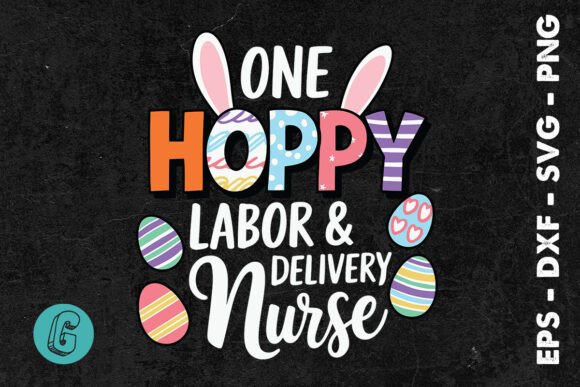
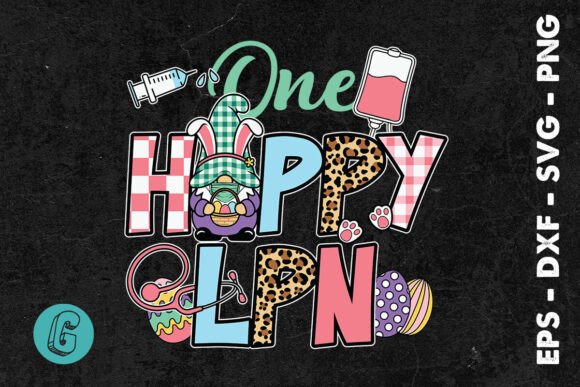
As someone who’s stitched hundreds of nurse-themed designs for boutique apparel, baby gifts, and small-batch merchandise, I opened One Hoppy LPN Gnome Nurse SVG expecting whimsy—and got something more useful: a balanced, commercially viable embroidery file with clear visual hierarchy and intentional negative space. The gnome wears a soft blue cap, stethoscope, and a tiny bunny-ear headband—playful without tipping into clutter. At first glance, it reads as friendly, professional, and gently humorous—not cartoonish or overly cutesy. That matters when you’re embroidering for real people: nurses who want to wear their pride lightly, new parents gifting a onesie, or a local clinic ordering staff aprons.
How It Works on Actual Embroidered Products
I tested One Hoppy LPN Gnome Nurse SVG across three real projects: a medium-weight cotton tote bag, a 100% cotton unisex sweatshirt, and a linen tea towel for a nurse’s birthday gift. On the tote, it stitched cleanly at 3.8" wide using standard cutaway stabilizer—no puckering, no thread breaks. The facial features stayed legible, and the stethoscope line held crispness thanks to well-placed satin stitch segments. On the sweatshirt, I used tear-away + light cutaway combo; the design retained its charm even over the fabric’s subtle texture. The tea towel was the real test: lightweight linen can swallow fine details, but because One Hoppy LPN Gnome Nurse SVG avoids micro-lines and dense fill areas, it translated beautifully—even in a single-color monochrome run.
This isn’t just a graphic—it’s a functional machine embroidery design that understands scale. Its compact footprint (roughly 4" wide max) makes it ideal for embroidered patch backings, cap fronts, and baby onesie chest placements. I’ve seen too many “nurse” files drown in tiny text or oversized accessories—this one breathes. That breathing room helps it land well on custom apparel, tote bag design, and personalized gift items where clarity trumps complexity.
Where to Use It—And Where to Pause
One Hoppy LPN Gnome Nurse SVG shines on stable, medium-weight fabrics: cotton twill, denim, canvas, and midweight knits. It holds up reliably on sweatshirt embroidery and apron panels, especially when paired with a light-to-moderate stitch density. But I’d avoid it on ultra-thin rayon, heavily textured bouclé, or highly stretchy jersey without significant digitizing adjustments—those small curved elements (like the bunny ears or cap brim) can distort if the base fabric shifts under tension.
For caps and curved surfaces, keep the hoop size modest—aim for 4" or smaller—and consider reducing fill stitch coverage slightly in the gnome’s body if your machine struggles with tight curves. And while the design includes clean outlines, the tiny “LPN” text beneath is best reserved for light-colored fabric or paired with a subtle shadow stitch—on dark backgrounds, it benefits from a white underlay or slight font expansion.
What It Adds to Your Craft Business—and What It Doesn’t Promise
As an Etsy seller and small shop owner, I value designs that reinforce trust—not just cuteness. When customers see One Hoppy LPN Gnome Nurse SVG on a finished product, they recognize intention: this isn’t a generic clipart drop-in. It feels hand-selected, thoughtfully scaled, and respectful of both nursing identity and craft integrity. That perception lifts perceived value—especially for handmade product buyers who pay more for authenticity.
It also supports brand consistency. Whether you’re building a line of holiday embroidery gifts for healthcare workers or launching a craft business focused on medical-themed apparel, this design fits naturally into a cohesive collection—no jarring style shifts or mismatched proportions. And because it’s delivered as an SVG, PNG, and DXF, it bridges digital prep and physical execution smoothly: use the PNG for mockups, the SVG for resizing in design software, and the DXF for laser-cut applique templates.
Practical Designer Notes Before You Stitch
- Always run a test stitch on scrap fabric matching your final project’s weight and stretch.
- Check thread colors against your fabric—especially for the bunny ears and cap, which rely on contrast for expression.
- Review stabilizer choice: light cutaway for stable wovens, tear-away + topping for knits, and water-soluble + cutaway for towels or napkins.
- Inspect small details like the stethoscope loop and eye shape in your embroidery software before sending to the machine—they’re sized for readability, not miniaturization.
- Use black-and-white mockups to assess silhouette strength—One Hoppy LPN Gnome Nurse SVG holds up well, but always verify.
- Confirm licensing terms before selling finished items or bundling the file as part of a digital embroidery file pack—this falls under Graphics, not Print Templates, so commercial use rights matter.
Final Thought: A Design That Serves the Maker First
One Hoppy LPN Gnome Nurse SVG doesn’t try to be everything. It doesn’t cram in extra icons, alternate poses, or seasonal variants. Instead, it delivers one clear, stitch-ready idea—thoughtful, scalable, and quietly confident. That restraint is rare. For small shop product development, personalized gift batches, or even commercial embroidery jobs where turnaround and reliability matter, it’s the kind of file you keep in your “go-to” folder—not because it’s flashy, but because it works, consistently, without fuss. In a world full of overdesigned graphics, that’s the highest compliment I can give.