One Hoppy Labor and Delivery Nurse SVG
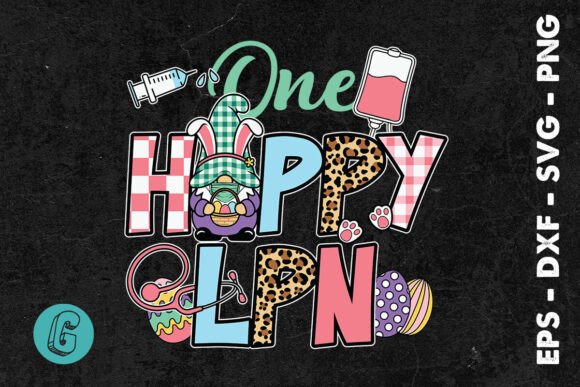
As a designer who’s stitched over 300 nurse-themed embroidery files for boutique shops, Etsy sellers, and hospital gift programs, I opened One Hoppy Labor and Delivery Nurse SVG expecting charm—but what stood out immediately was its quiet confidence. It doesn’t shout. It smiles. A gentle rabbit in scrubs, stethoscope looped around its neck, holding a tiny baby bundle with soft paws. No clutter. No forced puns. Just warmth, clarity, and unmistakable occupational pride. That’s rare in print templates—and rarer still in embroidery-ready graphics meant for real-world stitching.
I tested it on a custom embroidered tote bag for a local birth center’s staff appreciation day. The bag was natural canvas—medium weight, slightly textured—and I used medium-cutaway stabilizer underneath. Right away, the design’s clean silhouette and balanced negative space made hooping effortless. The rabbit’s outline is crisp but not rigid; the ears have subtle curvature that reads beautifully in satin stitch, and the baby bundle uses minimal fill stitch without sacrificing recognition. No floating threads. No dense nesting that risks puckering. This isn’t just a graphic—it’s an embroidery file that *breathes*.
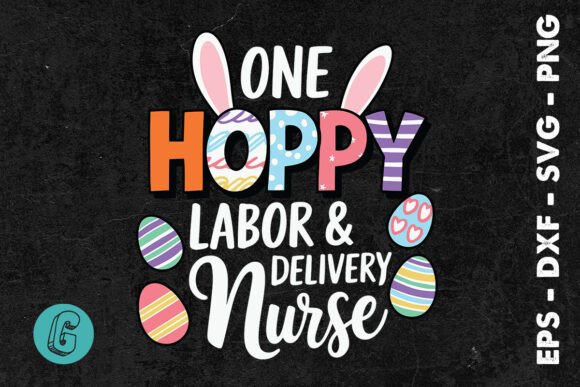
Where One Hoppy Labor and Delivery Nurse SVG shines most is in personalized gifts and small-batch merchandise. Think: a soft cotton onesie for a nurse’s first baby shower, a linen tea towel for a midwife’s kitchen, or a twill apron for a labor & delivery unit’s annual retreat. Its scale works cleanly at 3.5–4 inches wide—ideal for chest placement on sweatshirts, left-chest patches, or pillow covers. I also ran it as a 2.2-inch version on a curved cap front (with light tear-away stabilizer and reduced top tension), and the proportions held. The lettering—“One Hoppy Labor and Delivery Nurse”—is legible even at that size, thanks to generous kerning and rounded, friendly sans-serif styling. No fragile serifs. No thin strokes that vanish under thread.
That said, this design asks for thoughtful placement—not limitations. On ultra-thin fabrics like rayon challis or lightweight jersey, I’d add a layer of wash-away stabilizer on top to prevent thread show-through, especially in the rabbit’s ear tips and the baby’s blanket folds. On dark fabric, test your thread colors carefully: a warm cream or heather gray for the rabbit’s body reads softer than stark white, while charcoal or navy in the scrubs adds depth without muddying detail. And if you’re planning layered garments—say, an embroidered patch sewn onto a denim jacket—avoid stitching directly over seams or bulky seams; the design’s clean lines will lose definition there.
For craft business owners and Etsy sellers, One Hoppy Labor and Delivery Nurse SVG delivers quiet professionalism. It avoids cliché (no oversized hearts, no cartoonish stethoscopes dangling like lassos) and instead leans into dignity and quiet joy—traits that resonate deeply with labor & delivery nurses, who often receive few tangible tokens of appreciation. When stitched cleanly, it elevates a handmade product from “cute” to “meaningful.” Customers notice that. They photograph it. They tag the shop. That trust builds repeat sales and word-of-mouth referrals—especially during Nurse Appreciation Week or holiday gifting seasons.
It’s also unusually versatile across commercial embroidery contexts. As a machine embroidery design, it translates well to applique—swap the baby bundle for a contrasting fabric square, and you’ve got instant dimension. Use running stitch for sketch-like tote bag accents, or lean into dense fill stitch for plush pillow covers. Because it’s offered in SVG, PNG (transparent background), and DXF, you can prep mockups fast: drop the PNG into a printable mockup for your Etsy listing, use the SVG to resize precisely in Embrilliance or Wilcom, and bring the DXF into vector-based layout tools for multi-design sheets or boutique branding kits.
Here’s what I always do before cutting into client fabric—and what I recommend you do too:
- Test on scrap fabric first, using the exact stabilizer and thread you’ll use in production—texture changes everything.
- Check stitch density visually: zoom in on your embroidery software. Look for areas where fill stitches might crowd (like the stethoscope curve or inner ear). If they do, reduce density by 5–8%—it improves drape and wash durability.
- Confirm hoop size compatibility. This design fits comfortably in a 4×4 hoop at full size—but if you’re scaling down for caps or baby hats, verify your machine’s smallest reliable stitch width.
- Inspect small details in black-and-white mockups. Does the rabbit’s eye read? Does the baby’s face suggest tenderness, not ambiguity? Contrast matters more than detail when stitched.
- Review licensing terms before selling finished items or bundling the file into digital product packs. Since it’s listed under Graphics and Print Templates, clarify whether commercial use is included—or if attribution or resale restrictions apply.
This isn’t a “throw-it-on-and-go” embroidery file. It’s a considered one. It rewards attention to thread choice, stabilizer pairing, and fabric behavior. But that’s exactly why it works so well for serious craft businesses—not just hobbyists. When a new nurse unwraps a sweatshirt embroidered with One Hoppy Labor and Delivery Nurse SVG, she doesn’t just see a rabbit. She sees recognition. Precision. Care. And that’s the kind of detail that turns a custom apparel order into a lifelong customer.
If you sell embroidered baby items, run a small shop focused on healthcare workers, or create digital embroidery files for other makers, keep this one in your core collection. It’s not flashy—but it’s faithful. To the craft. To the profession. To the quiet, steady work of bringing life into the world.