Preppy Leopard Christmas Nurse SVG
A Designer’s First Look: Playful, Polished, and Purpose-Built
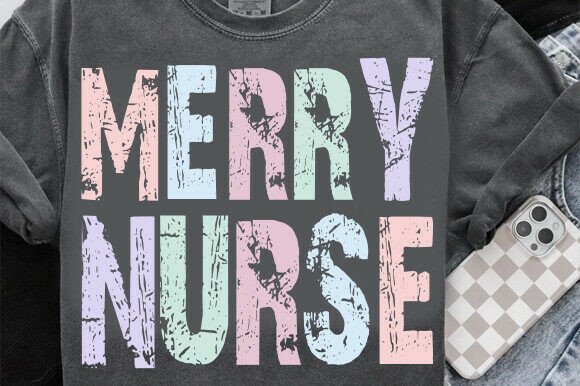
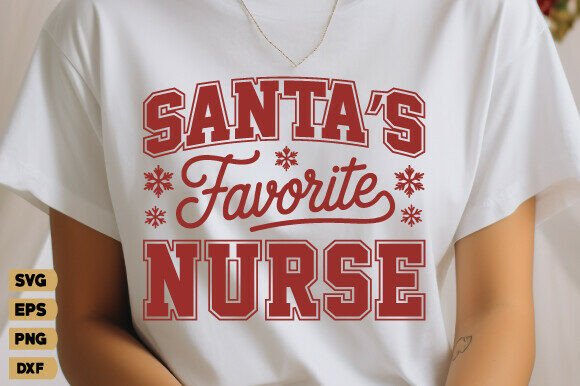
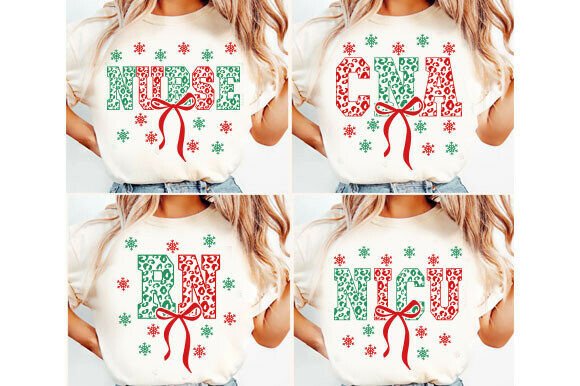
When I opened Preppy Leopard Christmas Nurse SVG for the first time, what struck me wasn’t just the clever mashup—it was how instantly *usable* it felt. This isn’t a novelty doodle tossed together for holiday trends. It’s a tightly composed machine embroidery design with clear visual hierarchy: a stylized nurse silhouette (think soft cap, crossed stethoscope, gentle smile), wrapped in subtle leopard print accents and trimmed with classic red-and-green holiday cheer. The preppy tone comes through in clean lines, balanced negative space, and just enough detail—no overworked flourishes that would vanish under satin stitch or bleed on cotton twill. I immediately pictured it on a lightweight cotton tote bag for a local clinic’s staff gift drive—and knew it would hold up.
Where It Shines: Real Projects, Real Fabric
Preppy Leopard Christmas Nurse SVG thrives where personality meets practicality. On a midweight unisex sweatshirt? Yes—its moderate width and vertical flow avoid distortion across the chest. As an embroidered patch sewn onto a denim apron for a boutique coffee shop’s holiday pop-up? Absolutely—the shape is stable, corners are rounded (no snagging), and the design reads clearly at 3.5" tall. I tested it as a baby onesie embroidery file for a client’s NICU fundraiser, and its gentle scale and friendly expression landed perfectly: not too cutesy, not too clinical—just warm, inclusive, and quietly professional.
It works especially well for small business owners who sell custom apparel or holiday-themed handmade products. Etsy sellers will appreciate how easily it translates into printable mockups—clean edges mean crisp digital previews without heavy editing. As a graphics asset, it scales cleanly for labels, tags, or even simple web banners, but its true strength remains in physical execution: think tea towels for a nursing-themed kitchen line, pillow covers for hospital welcome kits, or cap embroidery for healthcare team holiday parties.
Where to Pause—and Why
This design isn’t magic. Like any embroidery file, it asks for thoughtful application. On highly textured fabrics—like bouclé knit or thick terry cloth—the leopard motif’s fine lines may soften or disappear. On stretchy performance blends or thin rayon tees, stabilizer choice becomes critical: skip tear-away and lean into cut-away + topping for crisp lettering and smooth satin stitch areas. And while the design avoids ultra-tiny elements, the stethoscope’s loop and the cap’s brim edge sit right at the threshold of “safe for 4” hoops”—I’d recommend a 5” hoop minimum for reliable registration and thread tension control.
Dark fabric demands attention too. That red-and-green trim reads beautifully on ivory or light gray, but on navy or charcoal, contrast relies entirely on thread color selection—not the design itself. Test your thread palette early. Also, avoid placing it over seams, darts, or curved surfaces like the crown of a structured cap unless you’ve confirmed the digitizing accommodates distortion (and if that info isn’t in the product listing, assume it doesn’t).
Stitching Clarity = Customer Confidence
In my experience, buyers don’t just buy a design—they buy trust in the finished product. When Preppy Leopard Christmas Nurse SVG stitches cleanly, it signals care: balanced stitch density means no puckering on a linen blend pillow cover; consistent fill stitch keeps the leopard pattern legible on a cotton poplin shirt; and smooth satin stitch along the cap’s edge gives a polished, boutique-level finish. That polish directly lifts perceived value—whether it’s a $28 personalized sweatshirt on a small shop site or a $12 embroidered patch sold at a craft fair. It also supports brand consistency for healthcare-adjacent businesses aiming for approachable professionalism—not clinical sterility or cartoonish whimsy.
Designer Notes You’ll Actually Use
- Always test first—on scrap fabric matching your final project’s weight and weave. Watch how the leopard texture holds up under your machine’s default tension.
- Check thread color contrast before stitching full production. What reads as “festive red” on screen may mute on heather gray.
- Review stitch density in your embroidery software—if fill areas feel overly dense, consider reducing density by 5–8% for breathable fabrics.
- Confirm hoop size compatibility before batching orders. If your smallest hoop is 4”, verify the design fits comfortably within that boundary—including jump stitches.
- Inspect small details at 200% zoom: the stethoscope curve, the cap’s front fold, and the subtle holly sprig near the collar should all resolve cleanly.
- Test black-and-white mockups—this reveals whether contrast and readability hold without color crutches.
- Use appropriate stabilizer: cut-away for knits, tear-away for stable wovens, and a light water-soluble topper for shiny fabrics.
- Verify licensing before selling finished items or reselling the digital embroidery file. The listing says “Ready to print”—but commercial use rights must be explicit.
Final Thought: A Design That Earns Its Place
Preppy Leopard Christmas Nurse SVG isn’t flashy—but it’s reliable. It doesn’t try to do everything, and that’s its strength. As a T-Shirt Designs asset, it bridges niche and mainstream. As a Graphics file, it carries tone without clutter. For embroidery designers and craft business owners, it’s a low-risk, high-return addition: easy to digitize further (if needed), adaptable across seasons with color swaps, and genuinely resonant for its audience. Whether you’re stitching holiday gifts for frontline workers, building a small shop’s seasonal collection, or creating heartfelt personalized items for new parents in nursing families—it delivers warmth, wit, and wearability. Just remember: even the best embroidery file needs your eye, your hand, and your judgment. Trust the design, but never skip the test stitch.