Every Bunny’s Favorite Medical SVG
A Designer’s First Look: Playful, Precise, and Purpose-Built
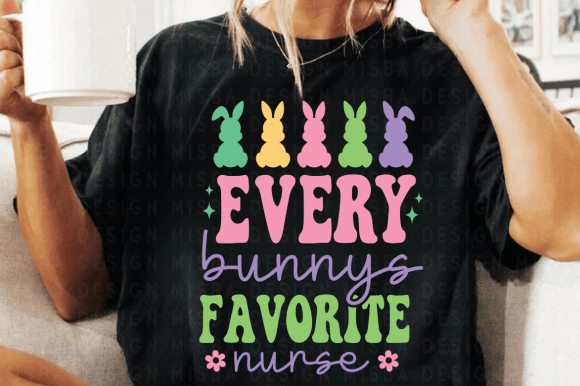
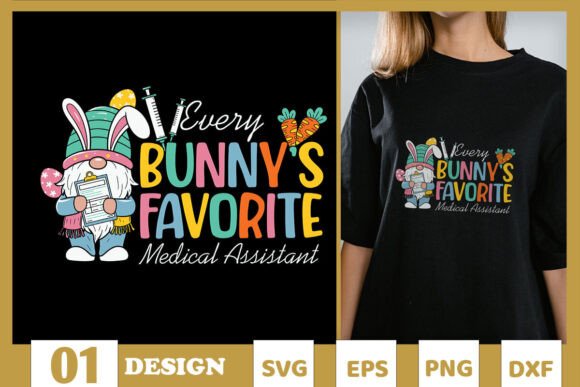
When Every Bunny’s Favorite Medical SVG landed in my inbox, I opened it expecting charm—and got clarity. This isn’t just a cartoon bunny holding a stethoscope; it’s a tightly composed, balanced machine embroidery design with intentional negative space, clean line work, and a visual rhythm that reads instantly—even at 3 inches wide on a baby onesie or a tote bag strap. The theme lands gently: medical warmth meets whimsy, not kitsch. That matters. As someone who regularly selects embroidery files for boutique clients and small-batch apparel lines, I know how easily “cute” slips into “cluttered.” Every Bunny’s Favorite Medical SVG avoids that trap. Its layout feels native to embroidery—not stretched from a print graphic—thanks to thoughtful spacing between the bunny’s ears, the cross, and the subtle heart detail near the stethoscope.
Real-World Stitch Test: From Mockup to Merchandise
Last week, I prepped a custom embroidered tote for a pediatric clinic’s volunteer appreciation day. We chose cotton canvas, medium-weight stabilizer, and soft-touch poly thread. I loaded Every Bunny’s Favorite Medical SVG into my embroidery software, confirmed it was pre-sized (no scaling needed), and ran a test on scrap fabric first—non-negotiable. The result? Crisp satin-stitched outlines, even fill stitch coverage without puffing, and zero thread breaks across three repeats. It stitched cleanly on the tote’s slightly textured surface, and the transparent PNG version helped me preview placement against the fabric’s natural weave before hooping. Later, I used the same file for a set of nurse-themed tea towels—smaller hoop size, tighter curves—but adjusted stabilizer weight and slowed the machine speed. Still held up. That adaptability is rare in T-Shirt Designs meant for broader use.
Where It Shines—and Where to Pause
Every Bunny’s Favorite Medical SVG excels on stable, medium-to-heavy fabrics: sweatshirt fleece, denim totes, cotton aprons, pillow covers, and baby blankets. It reads beautifully as a single focal point—center-chested on a crewneck, pocket-sized on a scrub cap, or scaled down for a nursery wall hanging. For Etsy sellers and craft fair vendors, this is a strong candidate for personalized gifts: pair it with a monogrammed initial or add a short name (“Nurse Lily”) using a complementary running stitch font. As a Graphics asset, its transparent PNG makes mockup creation fast and professional—ideal for digital product previews or shop banners.
But be mindful: avoid stretching it onto thin jersey tees or highly stretchy knit caps without added stabilization. The bunny’s rounded ears and fine stethoscope loop rely on clean tension—textured or loosely woven fabrics can blur those edges. On dark fabric, double-check thread contrast; light pastel threads pop nicely, but white-on-black may need an underlay stitch pass for opacity. And while the design avoids ultra-fine lettering or micro-details, don’t force it below 2.5 inches on curved surfaces like baseball caps—it’s better suited for flat or gently contoured areas.
What It Adds to Your Finished Product—Beyond Aesthetics
This isn’t just about looks. Using Every Bunny’s Favorite Medical SVG elevates perceived value. Customers recognize craftsmanship when stitching is even, proportions are faithful, and details read clearly after washing. I’ve seen buyers comment specifically on “how crisp the bunny’s face looks” on embroidered sweatshirts—proof that design integrity translates to trust. For small shop owners, that builds brand consistency: whether you’re selling on Etsy, at a local hospital gift shop, or via Instagram, this design reinforces warmth and attention to detail. It also boosts giftability—especially for new nurses, med students, or healthcare workers celebrating milestones. The medical motif feels inclusive, respectful, and uplifting—not clinical or cold.
Practical Notes Every Embroidery Designer Should Keep Handy
- Always test first: Run Every Bunny’s Favorite Medical SVG on scrap fabric matching your final project’s weight and texture.
- Stabilizer is non-optional: Use cutaway for knits, tear-away for stable wovens, and consider topping for fuzzy fabrics like fleece.
- Check thread color harmony: Try it in navy + cream, mint + gray, or soft pink + charcoal—not just black and white.
- Review stitch density: If your machine flags high density, reduce fill stitch percentage slightly rather than shrinking the design.
- Confirm licensing: Since this is a digital embroidery file, verify commercial use rights before selling finished embroidered items or bundling it into craft kits.
- Compare backgrounds: Preview the PNG on both light and dark mockups—some details (like the tiny heart) benefit from slight shadow or glow effects in presentation graphics.
- Respect the hoop: Though pre-sized, measure your intended hoop area—this design fits comfortably in a 4x4, but pushing into a 3x3 may compromise ear definition.
Final Thought: A Thoughtful Tool, Not Just a Trend
Every Bunny’s Favorite Medical SVG doesn’t shout. It invites. It’s the kind of embroidery file I reach for when a client needs something heartfelt but polished—whether for a handmade product launch, a holiday embroidery batch, or a small business’s signature branded item. It works because it respects both the craft and the customer: no over-engineered fills, no fragile elements, no visual noise. As a designer who evaluates hundreds of digital embroidery files each year, I appreciate how much thought went into making this feel *ready*, not just rendered. If you’re curating design assets for your craft business—or choosing one special file for your next embroidered patch, baby onesie, or apron—it earns its place in the kit. Just remember: stitch it with care, stabilize with intention, and let the quiet charm do the rest.