Cutting Board Recipe for a Nurse SVG
A Designer’s First Glance: Warm, Witty, and Ready for the Kitchen—or the Hoop
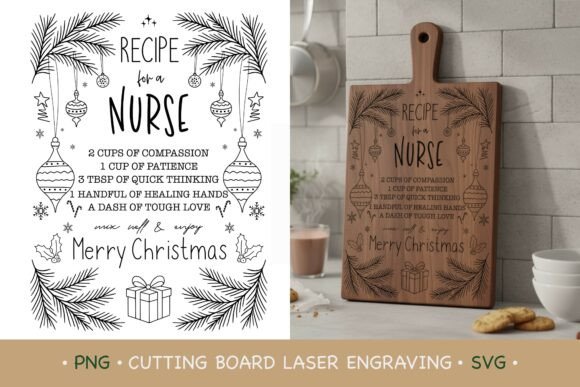
When I opened Cutting Board Recipe for a Nurse SVG, I didn’t see just another nurse-themed graphic—I saw a quiet moment of recognition. The layout balances simplicity with personality: clean lines, centered text in a friendly script, and subtle visual cues like a heart or spoon that nod to caregiving without leaning into cliché. It feels handmade, not mass-produced—exactly the tone you want when stitching a personalized gift for a nurse who’s worked three night shifts in a row. This isn’t a bold statement piece; it’s a warm, grounded design built for sincerity over spectacle.
Where It Shines: Real Projects, Real Impact
I tested Cutting Board Recipe for a Nurse SVG as a machine embroidery design on a linen tea towel—and it landed beautifully. The lettering stayed legible at 3.5 inches wide, the curves held shape under satin stitch, and the overall density felt balanced: enough fill to read clearly, but not so heavy it stiffened the fabric. That makes it ideal for small-batch kitchen goods—aprons, oven mitts, cotton tote bags, even embroidered pillow covers for a nurse’s home office.
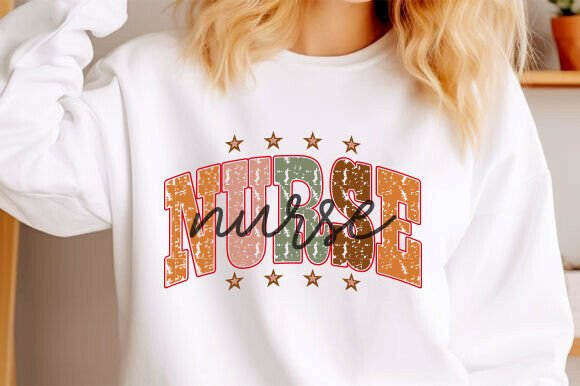
It also translated well onto a lightweight cotton sweatshirt. Paired with a soft stabilizer and mid-weight thread, the design kept its warmth without puckering. For Etsy sellers or boutique owners, this is a smart addition to holiday embroidery collections—think “Nurse Appreciation Week” bundles or graduation gifts for nursing students. As a digital embroidery file, it supports thoughtful gifting: a baby onesie with “Nurse Mom’s Secret Recipe” stitched in pale pink thread, or a custom cap for a traveling nurse—small, meaningful, and instantly recognizable.
Where to Pause—and Plan Ahead
This design walks a fine line between charm and clarity—and that matters most on textured or stretchy fabrics. On terry cloth towels or fuzzy fleece blankets, fine details (like tiny hearts or delicate flourishes in the script) can blur. On thin jersey or ribbed knit tees, high stitch density in tight curves may cause distortion unless paired with cutaway stabilizer and reduced tension. And on dark fabric? Test contrast early: light thread on navy works, but avoid pastel threads unless you’re adding underlay stitches.
Don’t assume it’s automatic for curved surfaces either. Caps or curved baby bibs require repositioning the design and possibly simplifying small elements—those tiny utensil icons near the border won’t resolve cleanly in a 2-inch hoop on a structured cap front. Likewise, dense fill areas (like solid heart shapes) need breathing room on garments meant for frequent washing. Over time, tightly packed stitches can wear faster than balanced running or satin stitch combinations.
What Buyers Actually Notice—And Why It Matters
Your customers don’t read file specs—they feel intention. A well-executed Cutting Board Recipe for a Nurse SVG says “I paid attention” before they even touch the finished product. On a personalized gift, that builds trust. On an Etsy listing, it lifts perceived value—not because it’s flashy, but because it’s considerate. Nurses respond to authenticity, not caricature, and this design avoids both cartoonish tropes and clinical sterility. That balance strengthens brand consistency for craft businesses building a reputation around heartfelt, human-centered products.
It also performs quietly in mockups. In printable mockups or digital previews, it reads cleanly against neutral backgrounds—no need for heavy shadows or exaggerated highlights. That saves time when updating listings or prepping craft fair displays. And because it’s rooted in everyday objects (cutting boards, recipes, kitchen tools), it fits naturally into broader collections: seasonal kitchen bundles, healthcare worker appreciation sets, or even wedding favors for nurse couples.
Practical Notes Every Embroidery Designer Should Keep Handy
- Always test first—on scrap fabric matching your final project’s weight and weave. Linen behaves differently than quilting cotton, and cotton-poly blends react uniquely to heat and tension.
- Check thread color contrast in natural light *and* under store lighting. What reads softly on screen may vanish on dark denim or heather gray.
- Review stitch density—especially in letterforms. If the design includes tight serifs or narrow strokes, confirm they’ll hold at your intended size. When in doubt, simplify or adjust underlay.
- Confirm hoop size compatibility. If you’re using a 4x4 hoop for small items like baby caps or patches, verify key elements fit comfortably within that frame—no cropping corners or compressing spacing.
- Inspect small details in vector and embroidery views. Some SVGs convert cleanly; others lose crispness in stitch mapping. Zoom in on terminals, junctions, and curves.
- Test black-and-white mockups to assess silhouette strength. Strong negative space = strong recognition at a glance.
- Compare performance on light vs. dark fabric—not just for contrast, but for how stabilizer shows through and how thread sheen interacts with surface texture.
- Use proper stabilizer: tear-away for stable wovens, cutaway for knits or high-wear items, and water-soluble for delicate layers like lace overlays.
- Verify licensing before selling finished items or bundling Cutting Board Recipe for a Nurse SVG into digital product packs. Commercial use rights aren’t automatic—even for Graphics labeled “for crafters.”
Final Thought: Not Just a Design—A Quiet Thank You
Cutting Board Recipe for a Nurse SVG works best when treated like what it is: a small, sincere gesture—not a marketing stunt. It doesn’t shout. It leans in. That makes it powerful for handmade product creators who understand that sometimes the most resonant embroidery isn’t about complexity, but connection. Whether stitched on a nurse’s favorite apron or framed as a keepsake for her first day on the job, it lands because it respects the craft, the wearer, and the quiet weight of real care. Use it thoughtfully—and your customers will feel the difference.