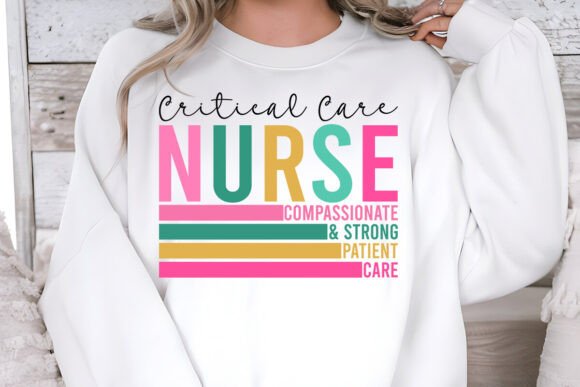
Critical Care Nurse SVG PNG
First Impression: Clean, Respectful, and Ready for Real Fabric
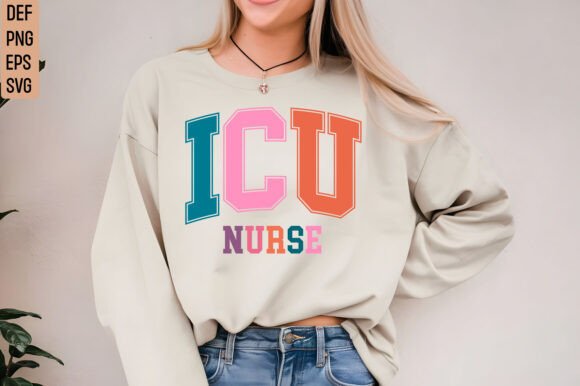
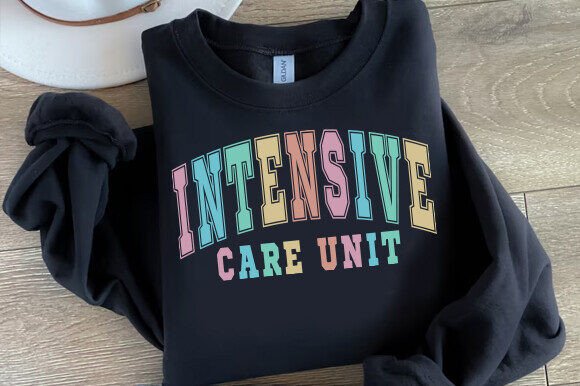
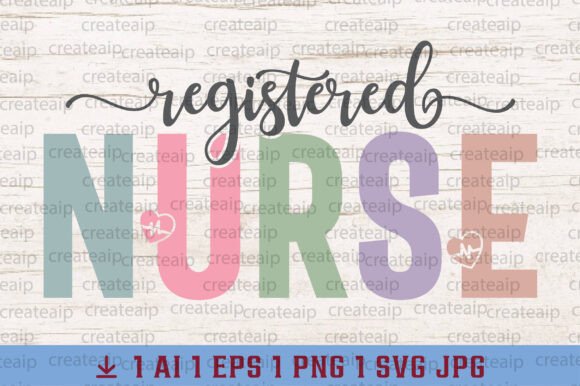
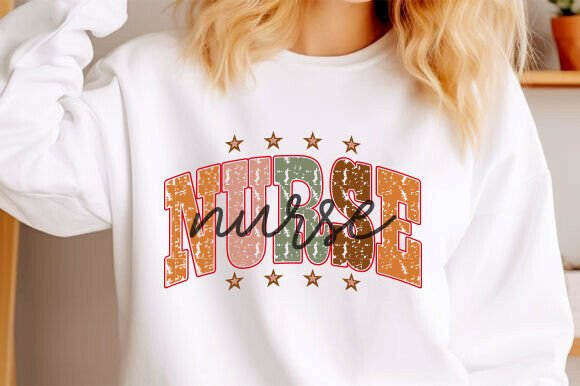
Opening the ZIP folder for Critical Care Nurse SVG PNG, I immediately notice what many embroidery designers overlook: restraint. This isn’t a flashy, over-rendered graphic—it’s a balanced, thoughtful composition with clear silhouette weight, intentional negative space, and a quiet dignity that suits its subject. The design leans into clean lines and moderate detail—not so sparse it feels generic, not so dense it risks stitch pile-up on delicate fabrics. It reads instantly as “nursing,” but specifically *critical care*: subtle heart monitor rhythm, a stylized stethoscope curve, and soft serif lettering that avoids clinical sterility without veering into cutesy. For a machine embroidery design, that tonal clarity is half the battle won before the needle drops.
A Tote Bag Test: Where Personality Meets Practicality
Last week, I prepped a custom embroidered tote for a local ICU nurse’s retirement gift—cotton canvas, medium-weight, slightly textured. I loaded Critical Care Nurse SVG PNG into my digitizing software and sized it to 4.2” wide (a safe sweet spot for most hoops). What stood out wasn’t just how well the lettering held up in satin stitch, but how the design *breathed* on the fabric. The spacing between elements allowed fill stitches to settle cleanly, no bridging or skipped areas. No ghosting on the reverse side—even without heavy cutaway stabilizer, the back stayed tidy. That’s a strong sign this embroidery file was digitized with real-world wear in mind, not just screen display. Customers don’t see vector perfection—they feel stitch integrity, and this delivered.
Where It Shines—and Where You’ll Want to Pause
Critical Care Nurse SVG PNG works exceptionally well on stable, medium-to-heavy fabrics: sweatshirt embroidery (especially fleece-lined hoodies), aprons, pillow covers, and tea towels. Its moderate stitch density makes it forgiving on textured surfaces like terry cloth or woven cotton. As a tote bag design, it holds presence without overwhelming. On baby embroidery? Yes—but only for onesies or burp cloths where the design can sit high on the chest, away from seams and stretch zones. Avoid placing it across shoulder seams or curved cap fronts unless you’ve tested hoop clearance and fabric give first.
Be mindful on thin or highly stretchy fabrics (like lightweight jersey tees). The design’s clean outlines rely on stability—if the base fabric shifts under tension, fine details—especially the tiny ECG waveform—can blur. Dark fabric? Absolutely viable, but test thread contrast early: a matte navy thread on black twill reads differently than glossy white on charcoal. And while it’s not an applique design, if you’re layering it onto a patch, confirm the original file includes clean outer edges—no stray anchor points or overlapping paths that could snag during peel-and-stick application.
Stitch Clarity = Customer Trust
In my small shop, every embroidered item carries unspoken expectations: professionalism, care, consistency. A fuzzy or lopsided critical care nurse motif undermines that instantly. This design delivers crisp satin-stitched lettering and smooth fill-stitched icons at standard sizes (3.5”–5”). That clarity builds trust—whether it’s a personalized gift for a nurse’s birthday or boutique merchandise for a hospital fundraiser. It also supports brand consistency: pair it with a simple monogram or date stamp, and it reads as intentional, not slapped-on. Buyers engage more when they sense craftsmanship—not just digital convenience.
Real Designer Notes You’ll Actually Use
- Always test on scrap fabric first—especially if using textured or dark material. Run a full stitch-out, then wash and dry it once to check for puckering or thread bleed.
- Review stitch density before scaling. If enlarging beyond 5.5”, watch for fill-stitch saturation in solid areas—add a light underlay or reduce density by 5–7% if your machine hesitates.
- Confirm hoop size compatibility. The design fits comfortably in a 5x7 hoop at default sizing—but if your workflow relies on smaller hoops (4x4), verify whether key elements (like the stethoscope curve) remain legible when scaled down.
- Inspect small details in black-and-white mockups. Sometimes color masks weak contrast—see how the ECG line reads in grayscale on both light and dark backgrounds.
- Use appropriate stabilizer. Medium-cutaway for knits, tear-away for stable wovens, and a light fusible for tea towels or napkins where backing must stay invisible.
- Check licensing before selling finished items. Since this is a digital embroidery file, confirm whether commercial use is permitted for physical products (e.g., embroidered sweatshirts sold on Etsy) and whether redistribution of the file itself is restricted.
Beyond the Hoop: Context Is Everything
This isn’t just a graphics file—it’s a narrative tool. As an Etsy seller, I’ve used Critical Care Nurse SVG PNG in holiday embroidery bundles (think “Nurse Santa” aprons for Christmas markets) and as part of a curated nursery decor set (pillow + blanket + framed print—all anchored by the same clean motif). Its versatility lies in tone, not complexity. It doesn’t shout; it resonates. That makes it ideal for handmade product lines where emotional resonance matters as much as visual polish—whether you’re a craft business owner building a healthcare-themed collection or a solo maker creating heartfelt personalized gifts.
Final Thought: A Design That Respects Its Subject—and Your Time
Not every embroidery project needs fireworks. Sometimes, what elevates a finished product is quiet intention: balanced spacing, thoughtful scale, and respect for both the wearer and the craft. Critical Care Nurse SVG PNG delivers that. It’s not overly technical, not trend-chasing, and not built for viral thumbnails alone. It’s built for stitching—reliably, respectfully, and repeatedly. Whether you’re embroidering a single cap for a friend or producing 50 tote bags for a nursing conference, this design meets you where your machine, your fabric, and your standards already are.